
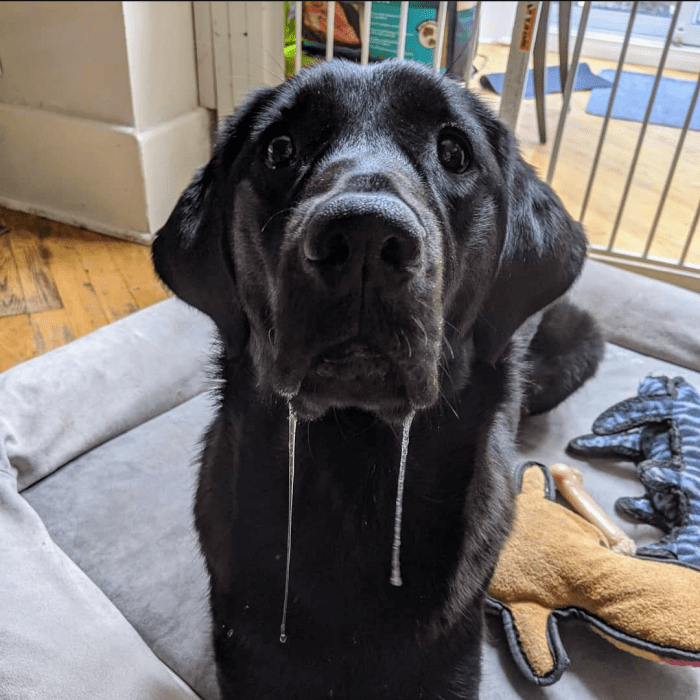
Whether it’s a little tap dance before their dinner time or the strings of drool that leak out while you eat, it’s no secret that dogs love food! Contrary to some trainers’ beliefs as well, there is no reason why you can’t share food with your dog. Sharing food is a wonderful way to bond with your dog. Before you toss them your leftovers, though, make sure that none of these common ‘human’ foods are within reach – they are toxic to dogs!
MY DOG ATE SOMETHING(s) ON THIS LIST! WHAT DO I DO?
– remove the poisonous item immediately if possible and/or move the dog away from it
– check for symptoms (vomiting*, dilated pupils, panting, diarrhea, foamy spit/drooling, skin changes, lethargy, seizures, collapsing/paralysis, loss of consciousness, stopped breathing)
– try to figure out what the item was, how much your dog ate, and how long ago they ate it
– find the container or label of the poisonous item, and/or collect some of it to bring to the vet
– do not induce vomiting until you speak with a professional
– call your vet or the Pet Poison Helpline (costs $65 USD)
– if necessary, go to your local vet emergency clinic
* if your dog has vomited, do not let them eat it. Dogs love to do this and it is gross at the best of times, but if they vomited because of poisoning, they will just re-poison themselves.
AVOID COMPLETELY
BONE-IN MEAT PRODUCTS/CORN COBS
Cooked bones can splinter in a dog’s digestive system and cause perforations, which are painful and life-threatening. It also requires surgery to repair. Bones and corn cobs can also cause intestinal blockages, as they can’t be broken down. Lean, boneless, unseasoned meats are best for your dog.
Note that larger, raw, cancellous bones, like those in the freezer at some pet stores, are much less likely to splinter. They do still have some risks – click here for more info.
FAT TRIMMINGS/FATTY MEATS
Excess fat consumption causes pancreatitis in dogs. As much as they love it, keeping their fat consumption under control is better for their overall health!
CAFFEINE
Products with caffeine in them (coffee, tea, chocolate, energy drinks, etc.) should not be accessible to dogs as caffeine is toxic. Canine organ systems are simply not equipped to process caffeine like we are, so it can start to cause damage to the liver, kidneys, heart, lungs, and nervous system at around 9mg/pound.
XYLITOL (artificial sweetener)
Xylitol is highly poisonous to dogs. Even small amounts can be fatal. Check peanut butter, sauces, and ‘diet’ or ‘sugar-free’ items especially, as xylitol is sneaky! Human toothpaste also often contains xylitol, so use a pet-approved paste when you brush your dog’s teeth.
FRUIT SEEDS/PITS
In addition to some fruits being off-limits (grapes, star fruit, tomato, avocado), most fruit seeds contain cyanide and arsenic which can be dangerous for your dog. Larger pits, like those of peaches, plums, and cherries can also cause intestinal blockages. When giving your pup fruit, make sure it’s seedless!
GARLIC, LEEKS, ONIONS, CHIVES
Any plants in the Allium genus, including garlic, onions, leeks, shallots, scallions, and chives, kill canine red blood cells and cause anemia. They are toxic and should be avoided. In addition to acute anemia, they also cause gastrointestinal upset, vomiting, and diarrhea. A safer alternative for your dog is fennel, which has many healthy vitamins and minerals that boost their immune system!
SPOILED/OLD FOOD
You wouldn’t eat it, and neither should your dog. Mold and other bacteria living on/in spoiled food can make your dog sick… just throw it out, and make sure the garbage is beyond their reach!
PALM OIL
In addition to its horrible environmental impact, palm oil is toxic to dogs. Palm oil is present in processed foods (instant meals, candy, ice cream, pastries/bread) as well as cosmetics and household products.
CHOCOLATE
All chocolates (including white) have a compound called theobromine that is very toxic to dogs. They also all contain caffeine. Chocolate in any form is extremely harmful and if your dog has gotten into some, go to the vet ASAP!
GRAPES
Raisins, grapes, and currants cause acute kidney failure in dogs. Raisins are particularly potent! As with chocolate, if your dog has ingested grapes or raisins, rush to the vet!
ALCOHOL
Dogs are extremely sensitive to the effects of alcohol and a little bit can do a lot of damage. Alcohol can cause vomiting and lethargy, as well as organ damage/failure.
YEAST DOUGHS
Yeast ferments the sugar in a dough to produce alcohol and gas, neither of which are great for your dog’s tummy. Alcohol poisoning can be life-threatening in dogs, and the gas production can be both painful and stinky!
AVOCADO
In high concentrations, avocado can make dogs sick. Avocados are also high in saturated fat, so they are not great even for small portions – fish or fish oil are better alternative, canine-friendly fats.
MACADAMIA NUTS/ALMONDS/WALNUTS
Macadamia nuts are toxic to dogs and eating even a few can cause severe symptoms including tremor/seizures, fever, hind leg weakness, and vomiting. Walnuts and almonds are not toxic, but can cause intestinal blockage and perforation if not chewed fully. A safer option would be cashews, though in moderation as they have high fat content!
RAW POTATOES
Cooked is fine, but raw potatoes can make your dog sick! If you are cooking them, your dog doesn’t need butter, salt, or seasoning… just the spud will do 🙂
NICOTINE
Though not really a food, nicotine is extremely poisonous to dogs. Tobacco, nicotine patches, and vape/e-cigarette products should be kept out of dogs’ reach. Pets are also susceptible to second-hand smoke, and tend to have more frequent infections, respiratory issues, cancer, and allergies than animals in non-smoking households. Pets should live in a completely smoke-free environment; see here for more details.
ESSENTIAL OILS
Again, not a food, but many essential oils contain tannins (from leaves, stems, and bark) and other harmful compounds that are not good for your dog. Human aromatherapy and diffusers, especially those using tea tree oil, mint, cinnamon, citrus, and trees (pine/birch are worst), can make your dog sick. It’s best to avoid the use of essential oils altogether, but if absolutely necessary, topical application (ex. rubbing peppermint oil on your temples for a headache) is less likely to cause harm than diffusing it into the air.
SAFE IN MODERATION
SUGARY FRUITS
Fruits contain lots of nutrients and vitamins that are fantastic for your dog! However, they tend to have high sugar content as well. It’s best to stick to fruits lower in sugar like apples, berries, and un-ripe bananas. A good tool to use is the glycemic index, which classifies foods by how quickly the sugar is released into your bloodstream; lower glycemic index fruits are great! This is especially true for dogs with diabetes. For more info, try this resource.
CHEESE
Cheese is okay in small amounts, but can cause digestive upset, smelly farts, and diarrhea/vomiting in excess. Stinky cheeses like blue cheese should be avoided. Cheese and yogurt have less lactose than other dairy products, like milk or butter, so they are better for dogs. Though full lactose intolerance isn’t super common, excessive amounts can cause tummy problems.
SALT
Salt causes water retention as it does in humans, but much less is required for dogs before symptoms of dehydration set in. They are okay to eat it in small quantities, but make sure to provide access to fresh water! If you’re cooking for them or sharing your food, don’t add salt to yours until you’ve finished and separated their portion. Eating large amounts of salt can be life-threatening for your pet. Do not induce vomiting using salt
SUGAR
Though it’s best avoided/limited (for the same reasons as humans), moderate amounts of sugar are safe for your dog to eat. Make sure there is no xylitol and opt for less sugary products wherever possible, especially if your dog will be consuming them regularly (ex. peanut butter, treats).
KNOW YOUR DOG!
In addition to the above foods, some dogs have food allergies or sensitivities that should be excluded from their diets. Try to keep your dog’s food fairly consistent and not try too many new things at once, so if your dog gets sick, there’s a short list of potential causes. It’s generally best also when switching food type (whether it’s a new brand/formula of the same food type, ex. old to new kibble, or switching types altogether, ex. kibble to raw) to slowly introduce the new type with the old one for at least a few weeks before completely transitioning. This is not an exhaustive list, and you know your dog best!
As always, consult with your vet to determine an appropriate diet for your dog.
For more information, this resource is handy. 28 Foods Not To Feed Your Dog (And A List Of Those You Can) – CanineJournal.com
 KIBBLE PARTY
Great post!
Concise and e encompassing, with just the right amount of background info for me. And I love the drooeling pup at the top! Great writing and photography.
Keep going, please!
LikeLike